Table 14

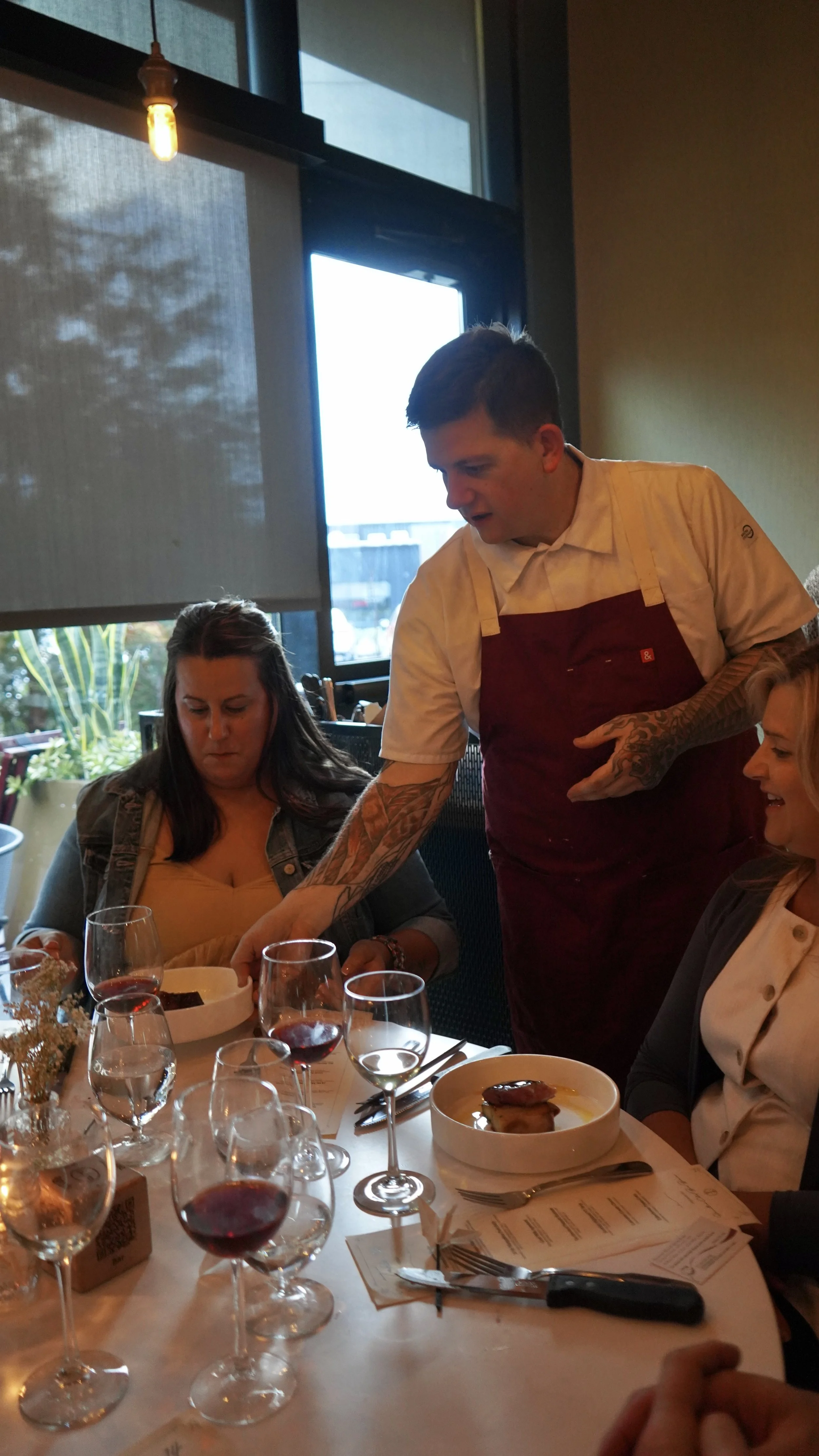
There is no theme for our monthly tasting menu, Table 14. No region. No culinary concept borrowed from somewhere else. What there is: a chef with twenty-some years behind him, a list of what's available from the farms he trusts, and seven courses to fill. 

No cuisine to defer to. That’s a freedom most chefs crave. 

Our tasting menu has a logic that exists before the ingredients do. When the logic comes from the cook and not the concept, Chef can work backwards, build the arc, move from lighter to heavier, decide where the acid hits and where that rich sauce comes into play.  Which technique can help serve his ideas and which ones could distract from it. Without one, you're designing the blueprints and constructing the building at the same time. 

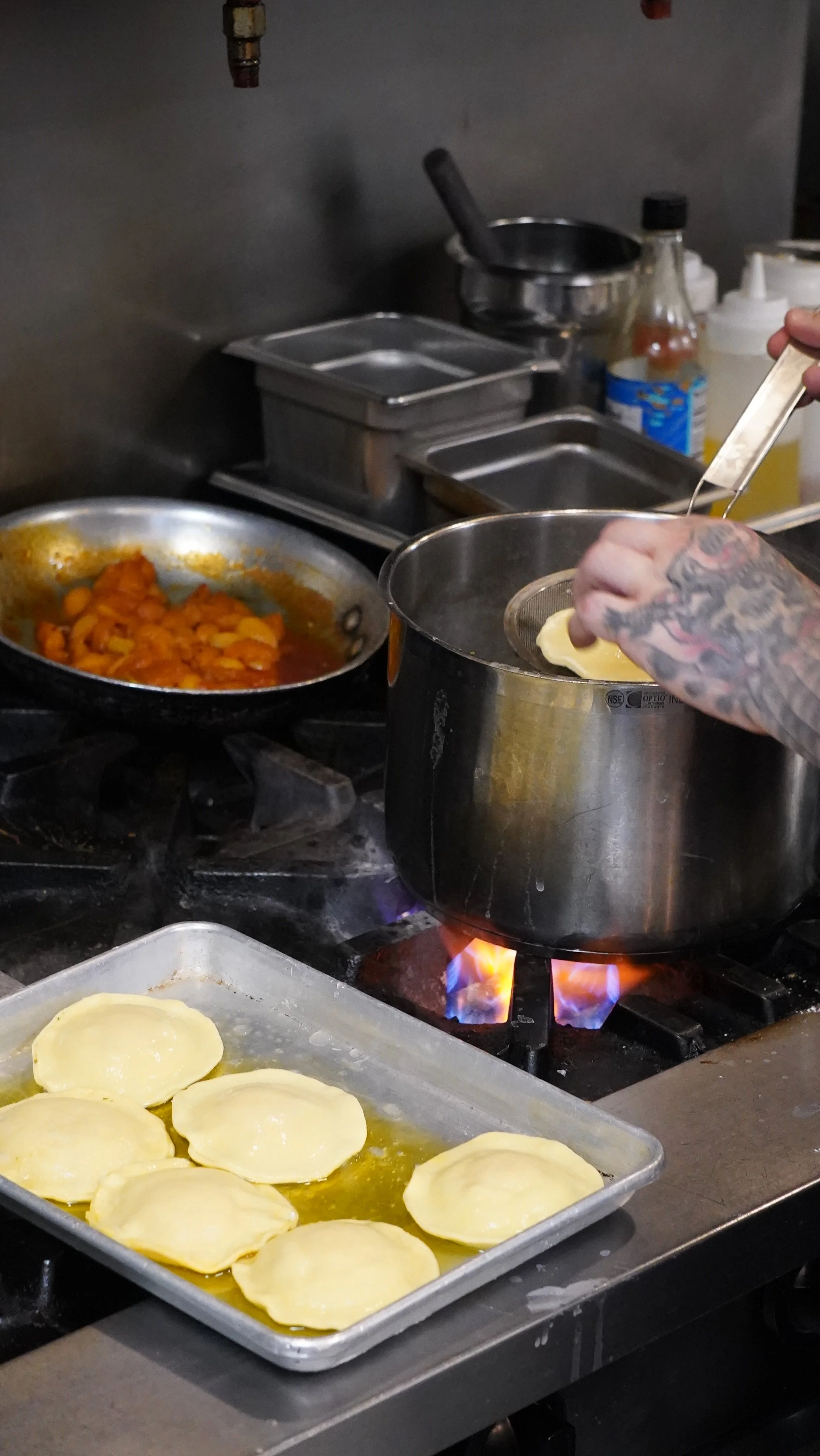
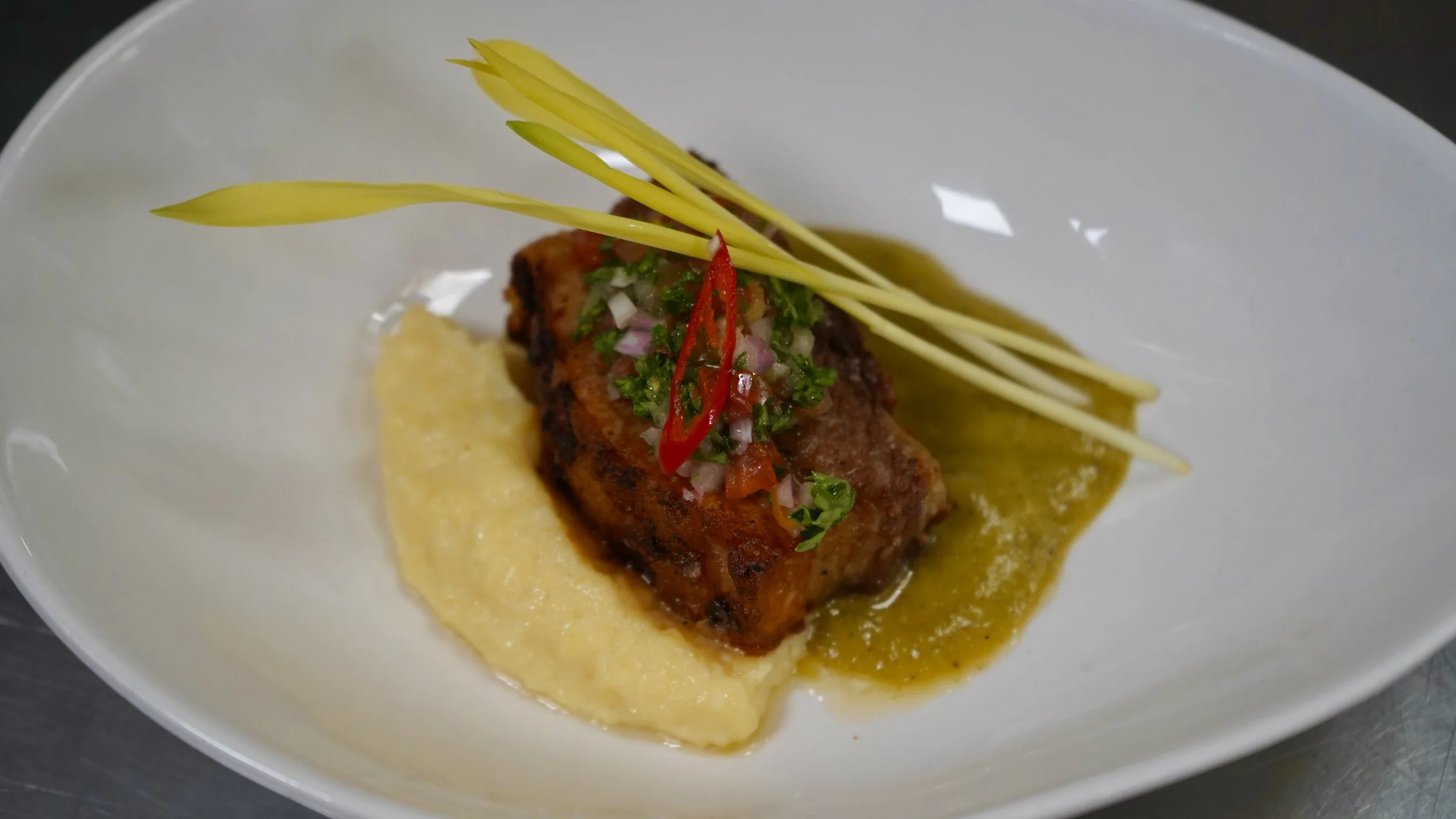
The amuse bouche of squash blossom goes into tempura batter not because it fits a theme but because that's what Chef’s experience tells him. Flash fried, gone before it turns limp. The Lititz produced pork belly gets 24 hours because it’s better at 24 hours than 18 or 36. The central market goat milk for the agnolotti pairs with the local mixed mushroom brodo. Ben knows there is a connection between the land that those goats graze on and the mushrooms that grow in similar conditions.

What holds it together isn't a concept. It's a point of view.

Look at what this menu preserves. Pickled watermelon radish, preserved lemon, fermented chili, pickled green tomato. June is arriving with everything it has, and Ben is still reaching for the jar. That's not nostalgia for winter. That's a cook who understands that brightness needs tension, that acid earned through time does something fresh sometimes doesn’t. The snap peas and green strawberries in the burrata course tell you exactly where you are in the calendar. The fermented chili on the pork belly tells you Ben hasn't forgotten where he's been.

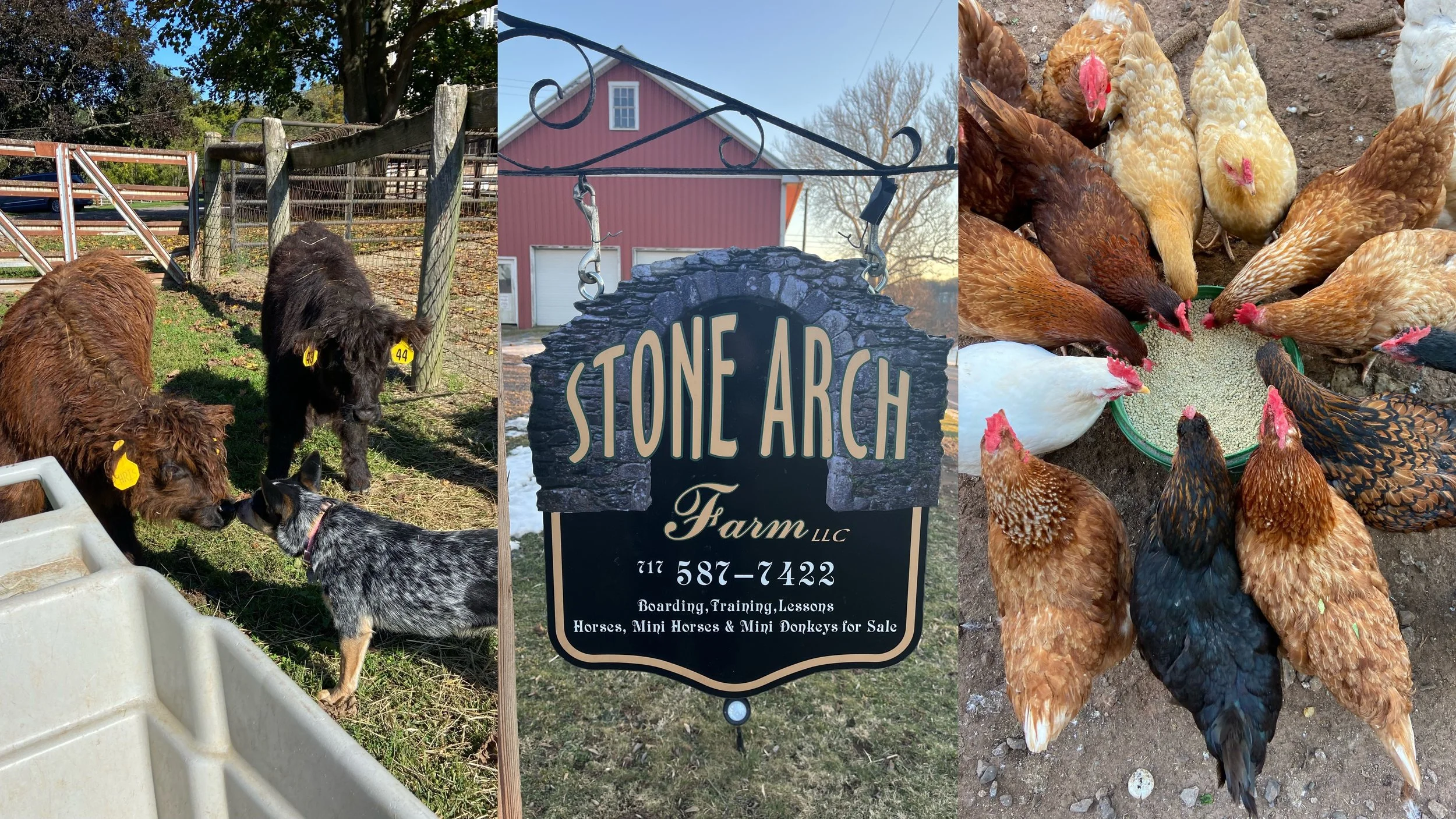
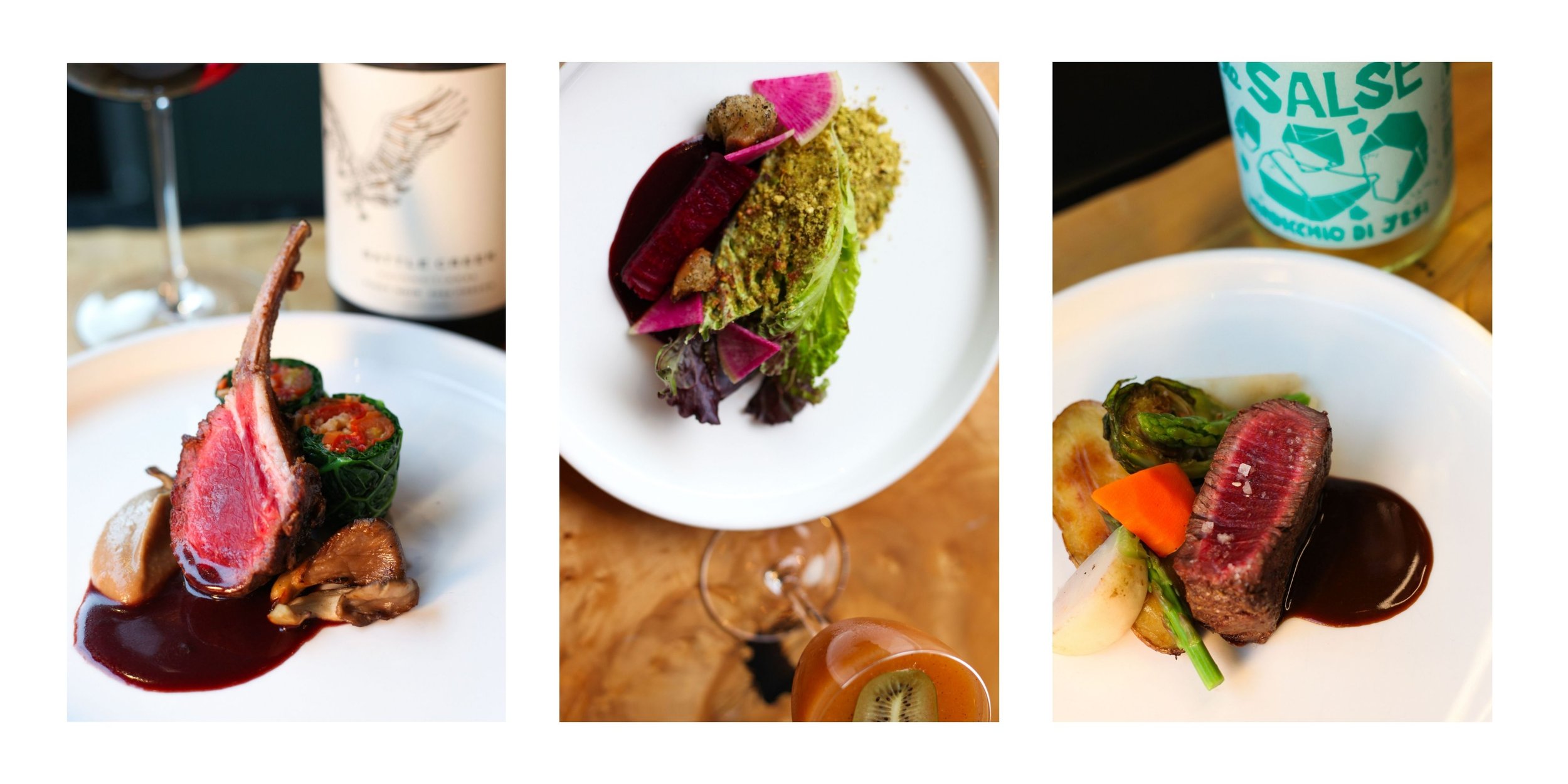
The Scottish Highland NY strip steak gets crispy tallow pave and burnt onion demi glace. These pasture raised cows are just down the road at Stone Arch Farm, ten minutes from the restaurant. The poussin cared for by Earl Keiser gets albufera sauce and brown butter ube puree. These aren't local ingredients reaching for technique. That's a cook's full range showing up, the kind of range that only comes from years of building it, sitting right alongside whatever the farm had ready that week. The second Thursday of every month, six people sit down at one table. What arrives in front of them is twenty-some years of cooking distilled into seven courses.

-Paul

Table 14’s First Menu: June

Tempura Squash Blossom

Koji beet mousse, meyer lemon, pickled watermelon radish,

 baby basil, pistachio, whipped chevre, basil oil

House Burrata 

english pea and preserved lemon espuma, 

snap pea & green strawberry salad, ramp panko 

 24 Hr Mangalitsa Pork Belly

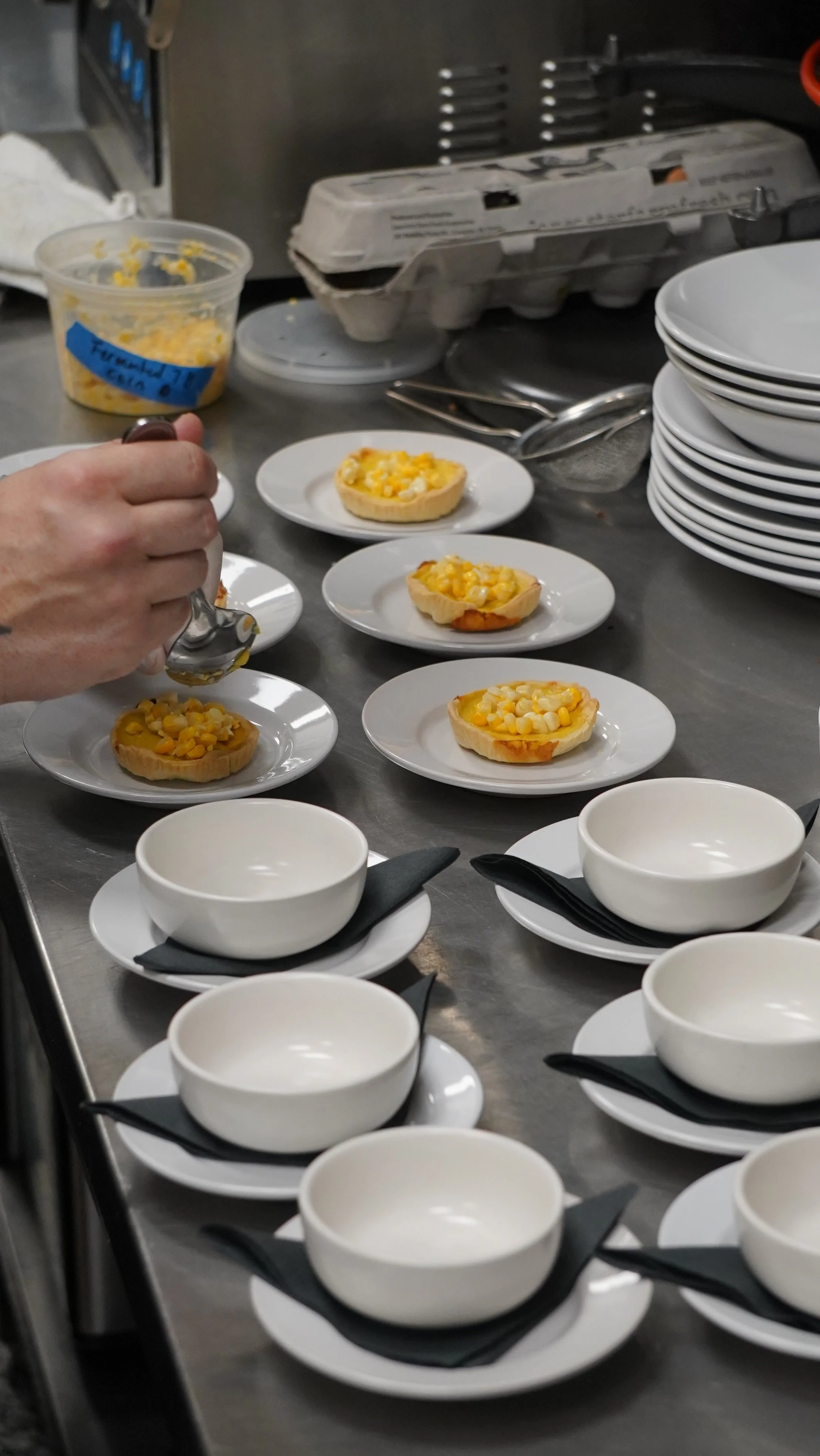
 smoked salsa verde, fermented chili, popcorn grits, 

pickled green tomato salsa 

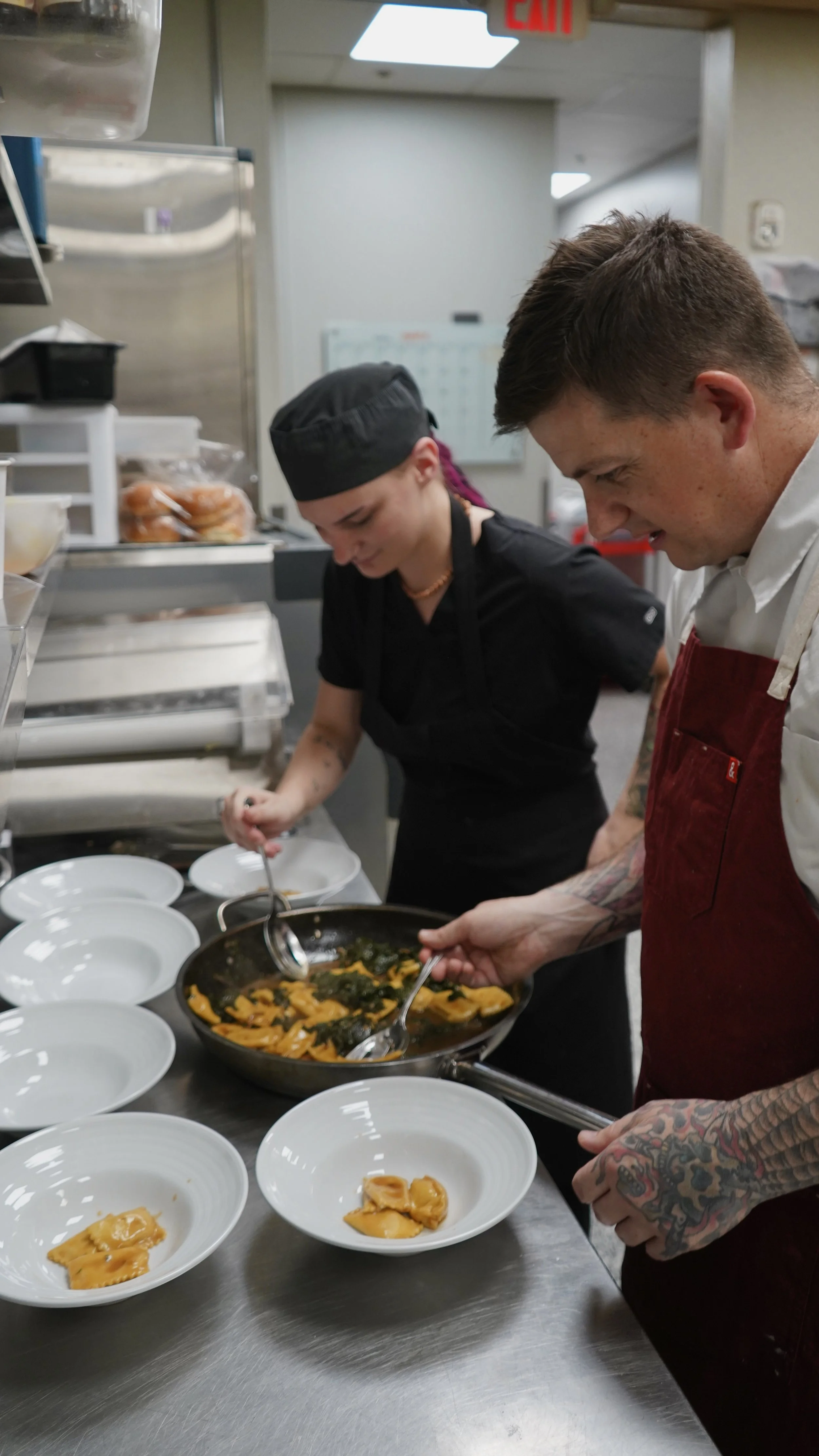
Goat Milk Agnolotti

 mushroom brodo, shaved truffle, braised local tuscan kale 

 Tea Smoked Poussin

albufera sauce, brown butter ube puree, white asparagus

 Scottish Highland NY Strip

crispy tallow pave potato, grilled spring onion and baby zucchini,

 burnt onion demi glace

Lancaster County Cheese

whipped honey, house focaccia

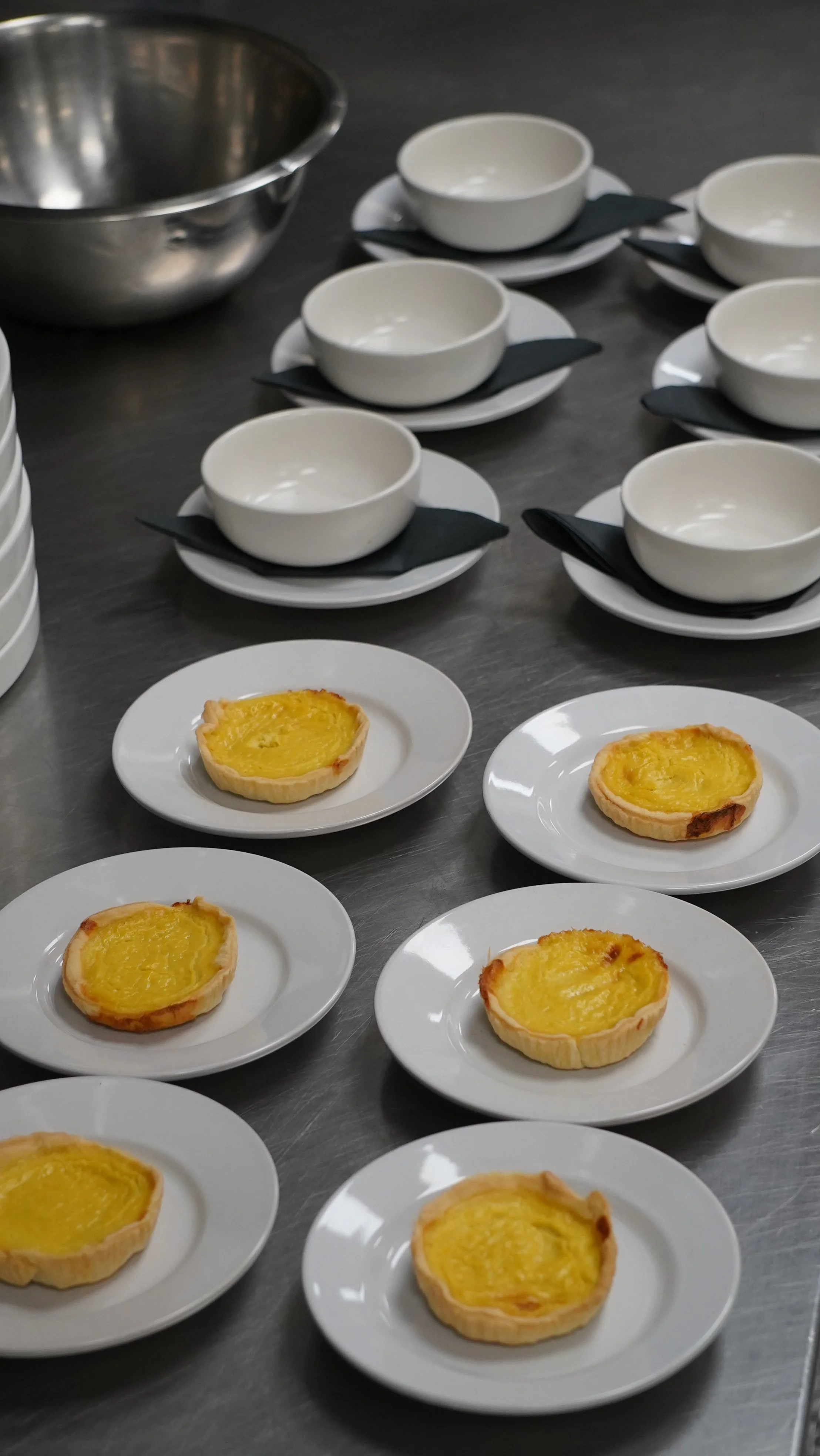
Elderflower Panna Cotta 

cardamom sponge, strawberry pearls

The Art of Grilling

Every culture has cooked over fire. Some anthropologists argue it's how we got here, that cooking meat over flame is what allowed the human brain to develop, that we are, in some measurable sense, a species shaped by the fire of a grill. The tools change, the grates, the fuel, the cuts of meat, but the instinct doesn't. You put food over flame and something happens that doesn't happen any other way. The char, the smoke, the particular violence of direct heat.

April comes and the weather shifts, not warm, just less cold, something the kitchen responds to. The grate gets brushed. There's a strange logic to it, that as the air finally warms, the instinct is to cook over more heat, not less. Hotter days, hotter fire.

The asparagus blackens at the tips first. The bread takes on color in the places where it touches iron. The burger, good beef, seasoned, sits on the grate and the fat runs and the smoke comes up around it and you leave it alone because that's the whole job right there. Leaving it alone.

There's a sound a steak makes when it hits a hot grate, not a sizzle, a crack. Fat hitting iron that's been building heat for an hour. You smell the char before you see it. Something settles. The steak is where most cooks give themselves away. They move it too soon, cut into it too early, can't resist knowing.  Chef Ben resists. He's looking at the color, the crust forming at the edge, and he's waiting for something that isn't on a timer.

At Per Diem the grill pulls from wherever the menu is going with specials for the week. One week there's something with harissa, the next a preparation that owes more to Southeast Asia than Lancaster County. The grill is where those ideas get tested against something real. Spice rubs, marinades, finishes built from ingredients that didn't grow anywhere near here, they all end up on the same grate, over the same fire for Chef and his crew.

-Paul 

Not Decoration, Design

Cooking is a craft before it is an art. The skills come first, knife work, heat control, timing, repetition, and the artistry grows out of mastering them, not the other way around. A chef who can't execute can't express their vision properly. The plate is where both things are tested at once: the craft in the technique, the artistry in the decisions.

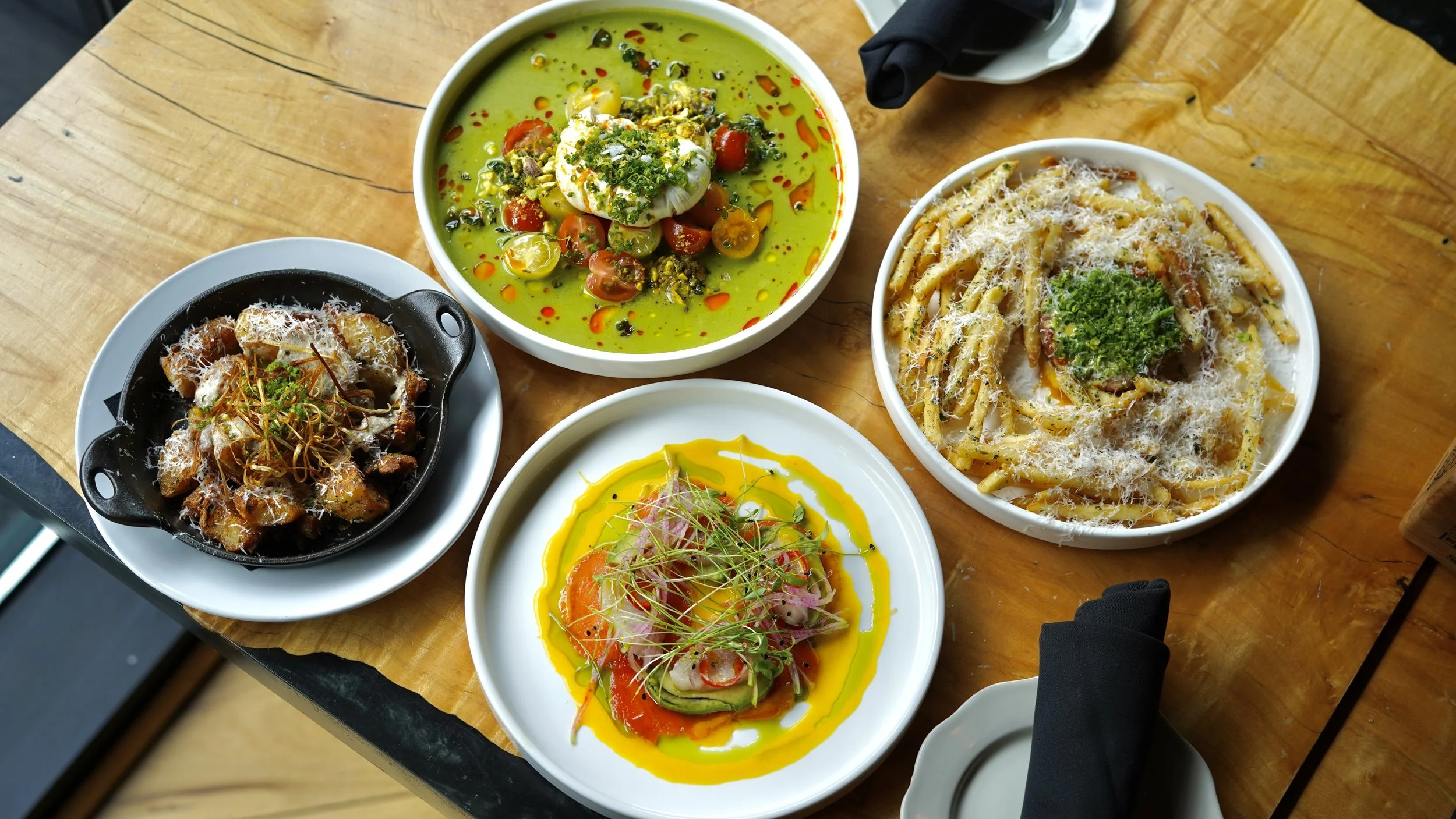
At Per Diem, composed plating isn't a stylistic affectation. It's a discipline. The kitchen's menu pulls from a wide range of culinary traditions, and that breadth creates a real problem: without structure, a plate full of influences reads as confusion. Composed plating is how the kitchen solves that problem. Every element has an assigned position, and that position has a reason.

The visual logic comes second. It looks intentional because it is, but intention, here, means flavor first, always. The sauce isn't placed for contrast; it's placed where it will be encountered at the right moment in the bite. The garnish isn't decoration; it's punctuation. A leaf of herb or a scattering of seed is telling you what the kitchen thinks this dish is about. Which means it has to be right.

Here's what that actually looks like in practice. Sauce goes on the bottom, not for the look of it, but because anything fried or roasted that sits in pooled liquid loses its crust within minutes. Texture is the next decision: something crunchy against something silky, something acidic against something rich. A melt-in-your-mouth braise needs a foil, crispy vegetables, toasted breadcrumbs, something pickled, or the whole plate reads as one note. Fat, acid, and seasoning get balanced at plating, not just in the pan, because the dish is still being built. And then there's negative space: the empty plate around the food isn't laziness. It's focus. It tells the eye where to go before the fork follows.

This is the part that takes training to see. The instinct is to read a composed plate the way you'd read a painting, as image. But a composed plate is really a sequence. It has a beginning, a middle, and a conclusion, and the chef has to think about all three before any of it lands in front of you.

Think about it from the other direction: the guest picks up a fork without instructions. They'll move through the plate in whatever order feels natural, toward the protein first, or the sauce, or whatever catches the eye. A composed plate anticipates that. It creates a center of gravity that draws the fork where the kitchen wants it to go, and then rewards the guest for going there. That's not manipulation. That's hospitality expressed through statistics and probability.

That discipline, the insistence on visual logic that is also flavor logic, is what separates composed plating from garnished plating. One is craft. The other is habit.

-Paul

It Was Never Just About the Food

The question isn't what's on the menu. The question is why you left the house.

Not for convenience — anyone honest about their own kitchen knows a meal at home costs less and usually ends faster. Not for the food alone, though the food is part of it. Something else pulls people out of their own four walls, away from the strategic mise en place of their refrigerator, the spice rack they keep meaning to expand, the fish sauce bottle that never runs out, the bar cart with the gap where the Chartreuse used to be.

Maybe it's simpler than it sounds. You've cooked the same rotation for months. You're good at it. That's exactly the problem.

Restaurants offer a specific kind of relief that has nothing to do with the meal itself. Someone else has sourced the ingredients, broken them down, organized the station, thought through the sequence. The dish that arrives was prepared, with intention, for you. The bartender made a call based on what you said you wanted and what they knew you didn't know to ask for. The napkin gets folded back when you return from the bathroom. The plate disappears without ceremony.

None of that happens in your kitchen.  In your kitchen, you are both the cook and the clean-up crew. The mise en place is yours to build and yours to dismantle.

There's a particular kind of peace that settles when hospitality is handled correctly. Not luxury, not performance — just competence and care, executed without fanfare. The conversation at the table can be about anything because nothing else demands your attention. That's the thing people are actually buying when they go out. The escape isn't from food. It's from the labor that surrounds it. 

-Paul

Ingredients Without Borders

Every cuisine you've ever eaten started somewhere specific and arrived somewhere else changed. Not corrupted, slightly altered, changed as seen fit. The chili pepper is native to the Americas and now defines the food of Sichuan, of Korea, of Hungary. The tomato is from Mexico and you cannot imagine Italian cooking without it. The potato, Andean, originally utilized by people who had been cultivating it for seven thousand years is now in pierogi, in gnocchi, in aloo gobi, in Joel Robuchon's pommes purée. One ingredient. Every continent. Completely different results depending on who got hold of it and what they needed it to do. Ingredients don't respect borders, and neither do techniques. They move with people, get adopted by other people, get adapted to different climates and different pantries, and eventually stop being foreign entirely. That's not fusion. That's just how food works.

What's happening now is faster. A chef in Lancaster can source gochujang, Aleppo pepper, galangal, paneer, fish sauce, sumac…things that twenty years ago required a specialty trip to a city like Philadelphia or New York to a specific block or neighborhood. The global pantry is available at a regional level in a way it simply wasn't before. That changes what's possible in a kitchen. Not because it's trendy to reach for those ingredients, but because they're genuinely better for certain applications. Fish sauce in a braise. Miso in a butter sauce. Calabrian chili where you'd otherwise use generic heat. These aren't gestures toward authenticity. They're craft decisions.

The conversation about where a dish comes from is worth having, who developed it, what it means in its original context, what gets flattened when it travels. There’s a difference between using sudachi ponzu and understanding why it works. 

But it doesn't require cooks to stop cooking. It requires them to know what they're actually working with: the history contained in the ingredient, not just the flavor.

-Paul

The Women Who Bring Us to the Table

I can still picture my grandmother's rounded shoulders at the stovetop. Gigi. Always turned slightly away from the room, tending to something, never quite done.

My grandfather and I played checkers at the kitchen table while she cooked…the old oblique wood table with the plastic-pillowy runners she saved for the holidays or when everyone decided to show up on a Sunday in July…sticking to your forearms from the heat.

Gigi was Czech and Austrian. Not a drop of Italian in her. Which makes it all the more remarkable that the dish I've spent 20+ years trying to recreate is her spaghetti and meatballs.

She had her go-to spots. House-made deli meats. Old school marinara made fresh daily. Meatballs from the people who made them right. She didn't always make everything herself, that was the skill. She assembled the Sunday table, everything the best available version of itself.

The drives to the bakery in Greenwich for fresh rolls are why I still prefer a turkey sandwich on a poppy seed kaiser roll. Not because I decided to. Because she decided for me, a long time ago.

I last tasted that spaghetti thirty-some years ago on a random Sunday. I'm still trying to get it right. Certain dishes just get into you and stay.

My wife had her own version of this. A different kitchen. The same understanding. Both of those women are gone now.

Our son was born on Mother's Day last year. He made that call himself. The joy of that day I'll carry forever. So will the quiet suspicion that he already knows exactly what he's sitting on.

He'll never sit at either of those grandmothers' tables. But a recipe is never just a list of ingredients. It's a way of bringing someone back to the table, whether they're in a different city or 25 years gone. She's in every plate of spaghetti I taste and decide isn't quite right.

We see that same thing in this building every week. The women on this line, on this floor, behind this bar who show up on the hard Sundays the same way they show up on every other shift. Who carry the kind of knowledge that doesn't get written down. Who feed, tend, care, love, guide, discipline and congratulate people well without needing the credit for it.

That's what Gigi did. That's what all of them do.

Shout out to our PD moms: Ashley, Leyanet, Erin, Olivia, Jess, Julie, Meghann, Miranda, Lauren, Christina & Dalia

To the women who set those tables…at home, in this space, on this floor- today is yours.

And today belongs to all of them. The mothers by blood and the mothers by choice. The ones who raised you and the ones who stepped in when someone needed to. The grandmother who showed up every Sunday. The women at work who saw something in you before you saw it yourself. The friend who fed you when you needed feeding and asked nothing about it. Motherhood is less a title than a practice. The daily decision to tend to someone else's life as carefully as your own.

-Paul

What Fermentation Decides

Bread and alcohol are the same ancient accident. Grain, water, yeast, time. The starting point is identical. What diverges is the ratio — water content, sugar availability, which organisms get favorable conditions — and those ratios determine everything. A high-hydration environment favors the bacteria that produce acid. A sugar-rich one favors the yeast that produce alcohol. The brewer and the baker are having different conversations, but with the same team members.

Neither of them is really in charge. That's the part that separates fermentation from everything else a kitchen or a bar does. Line cooking is fast and reactive — you taste, you adjust, you move. Heat, acid, salt, fat all submit to the cook. Fermentation doesn't submit to anyone. It has its own clock, its own logic, and it will not be rushed without consequence. You can manipulate the conditions. You cannot manipulate the result.

The distiller learns this. So does the brewer — watching a fermentation tank, adjusting temperature by degrees, waiting on gravity readings that will tell him whether the yeast have finished what they started. The winemaker picks a harvest date based on sugar levels she didn't set and can't control. In every case the professional is doing the same thing: creating favorable conditions and then getting out of the way.

This is what the bar and the kitchen share that doesn't show up on the menu. The cook, in this one corner of the operation, is not making decisions. The microorganisms are. The work is waiting, and paying attention, and knowing the difference between intervening and interfering.

We keep a sourdough starter in this kitchen. She's been here longer than most of the people who tend her. Her name is Beatrice, and she is the base of every pizza that comes out of this kitchen.

She rises when she's ready. Fermentation has never worked any other way.

- Paul

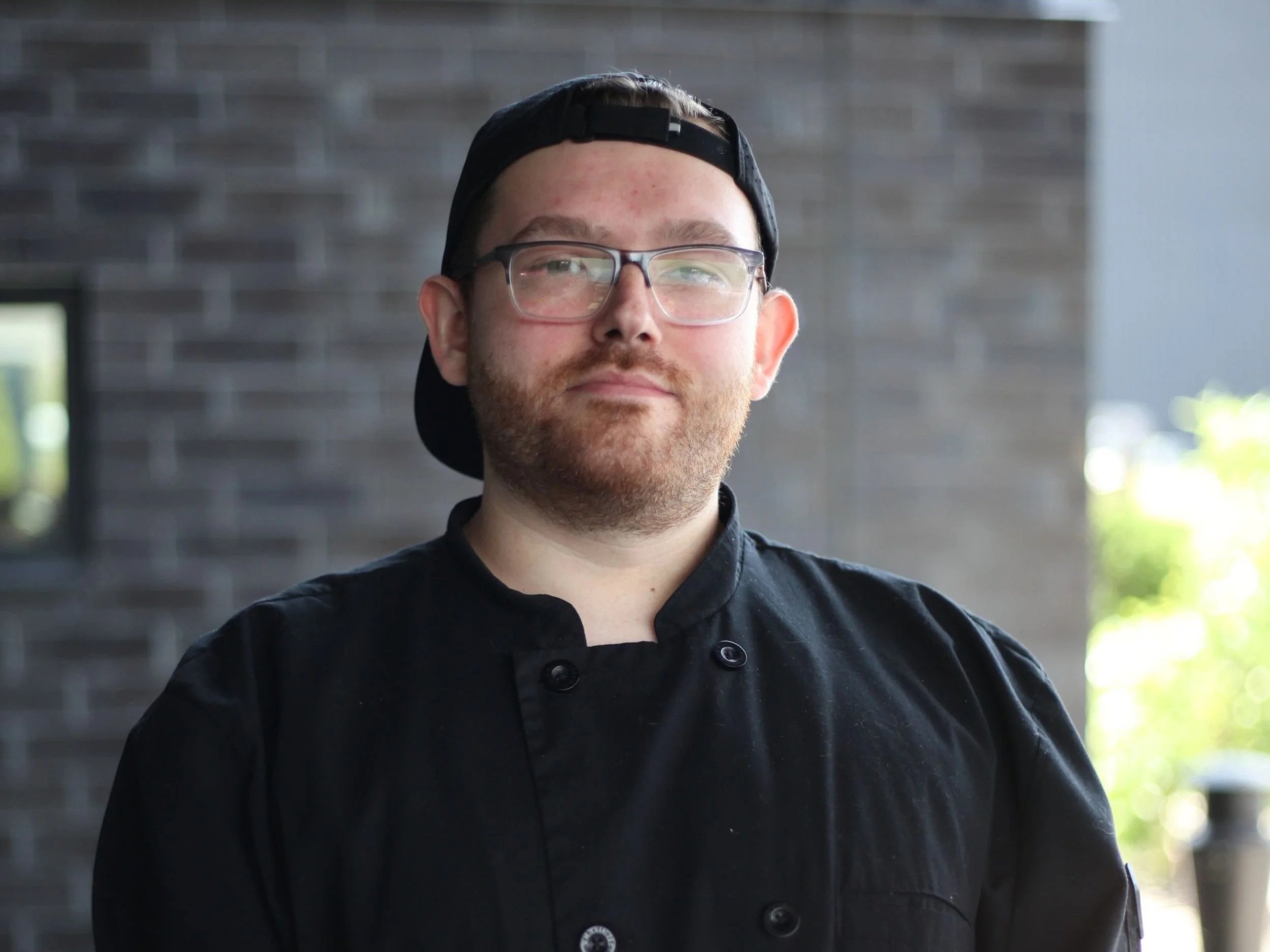
Meet the Chef: Ben Beaver of Per Diem

After twenty years in kitchens, Chef Ben Beaver has learned what most cooks only figure out the hard way: the best plates are usually the ones where the chef got out of the way.

"My cooking has changed in the last five years," he says. "Better techniques, better in-season ingredients, and just not trying to do too much. Let the ingredients talk."

That philosophy shapes the food at Per Diem, where Ben leads the kitchen with a focus on modern American cooking built around intentional, seasonal ingredients and bold, balanced flavor. More than a decade into running kitchens as an Executive Chef, the thing that still drives him is the same thing that got him here — developing new dishes, refining systems, and building a team that actually wants to show up for each other.

Ben grew up in Harrisburg and has spent his career moving toward kitchens that feel less like pressure cookers and more like crews. Ask him what he's most excited about at Per Diem and he doesn't lead with a dish — he leads with people. "The chance to keep growing professionally, stay creative, and create experiences that people genuinely enjoy — that's what excites me most."

His best food memory isn't in a kitchen. It's San Francisco, with his wife. "The whole experience was about food." You can hear it in the way he talks about plates now — as experiences, not just dishes. The trip didn't just stick; it shifted something.

In the kitchen, it's a scratch bowl of ramen — broth built from the ground up, noodles, soy egg, pork shoulder, garnish, the full build. It's the one he loves to make most in a professional setting. But if he's the one eating? Street tacos. Every time.

Other Favorites: 

  • Cookbook on the shelf: Made in Spain, José Andrés

  • Book that isn't a cookbook: Can't Hurt Me, David Goggins

  • Most prized kitchen possession: his set of Yoshihiro knives

  • Chef he wishes he could have staged with: Marco Pierre White

  • Off the clock: Orioles games, trying new restaurants, time with his wife

Ben's cooking today is a quieter version of what it used to be. Fewer components. Cleaner technique. A deeper trust in what a perfect in-season ingredient can do on its own. It's the version of a chef you want running your kitchen — confident enough to let the food do the talking.